
 Instagram
  Facebook
  TikTok
 COP30: The Future of Energy Starts With Grids and Storage — and Why This Is Ukraine’s Moment


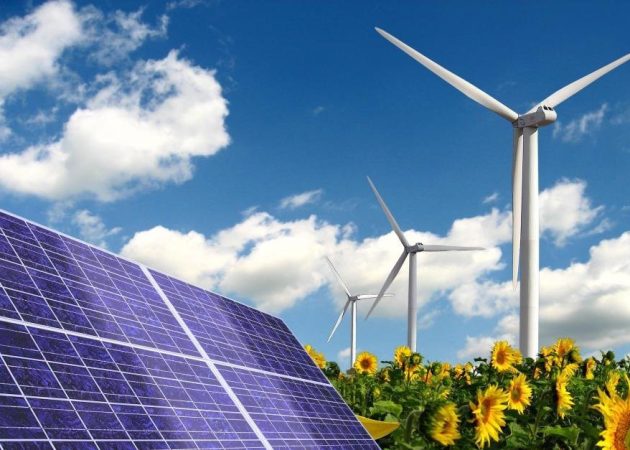
At this year’s COP30, world leaders shifted their focus for the first time away from simply adding new gigawatts of wind and solar. Instead, the spotlight turned to something engineers have been warning about for years — but politicians rarely heard: without strong grids and smart energy storage, even the most powerful turbines will remain nothing more than impressive metal giants.
This time, everyone agreed: the future of energy isn’t decided in solar fields — it’s decided in wires, transformers, and batteries.
For Ukraine, which is rebuilding its energy system almost from scratch after attacks, this is more than news — it’s a historic window of opportunity. And investors and climate funds are already watching closely.
1. Why grids and storage became the core theme of COP30
The world is adding record amounts of wind and solar every year. But there’s a problem: power grids are stuck in the 2010s — and in some cases, the last century. A 10–15 year lag has become critical.
At COP30, international agencies stated clearly:
-
without modernized grids, renewables simply cannot operate at full capacity;
-
transmission lines have become the new investment “bottleneck”;
-
the global shortage of energy storage systems is holding back the transition as much as fuel shortages once did.
In response, countries presented large-scale plans focused on:
-
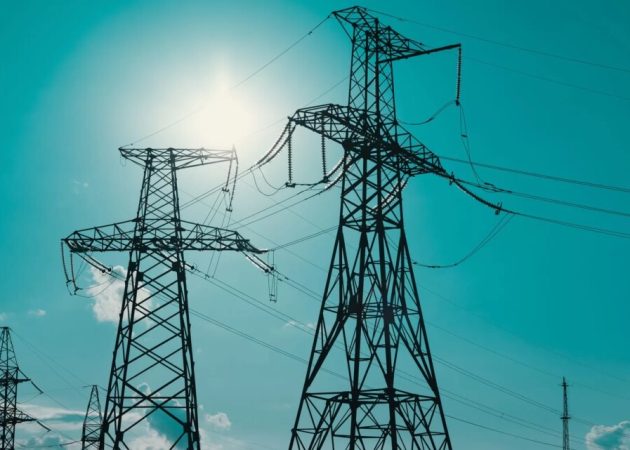
rapid construction of high-voltage transmission lines,
-
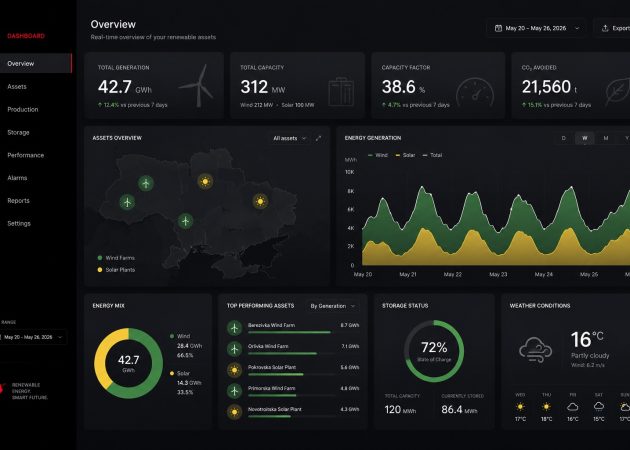
deployment of smart grid management systems,
-
massive rollout of batteries — from industrial-scale to residential.
This is not just an upgrade — it’s a full redesign of the global energy architecture.
2. How these decisions benefit Ukraine
Ukraine currently holds several strong cards — stronger than ever:
• Reconstruction = a chance to build modern infrastructure from zero.
What is “modernization” for others is new-build future infrastructure for Ukraine — without legacy mistakes. International funds actively support exactly these types of projects.
• High penetration of renewables in certain regions → lack of system flexibility.
This creates natural demand for storage, load management solutions, and local smart-grid technologies.
• The EU is pushing the Eastern Energy Corridor.
Ukraine can become a key link in this corridor — a political and investment priority for Europe.
3. Investment-ready projects available right now
Following COP30, donors and investment funds are opening doors to areas such as:
-
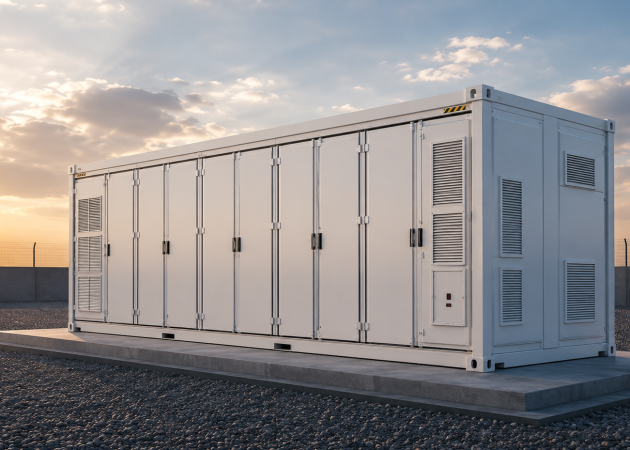
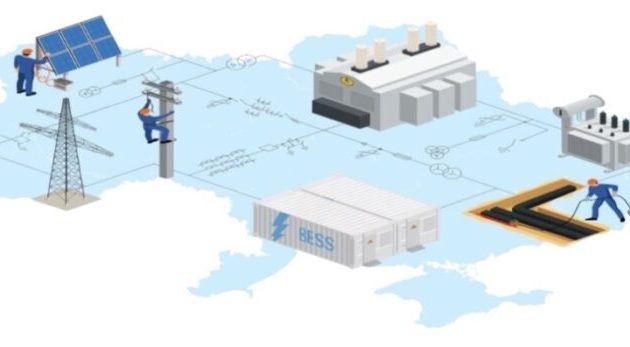
BESS (20–200 MW): large-scale commercial battery systems for peak balancing and reserves;
-
Hybrid parks (solar/wind + storage): a “gold mine” due to predictable performance;
-
Digitalization and SCADA modernization of substations: boosts system responsiveness;
-
Smart-grid solutions for municipalities and critical infrastructure.
These projects fit perfectly into the new grant and investment frameworks.
4. What international investors gain in Ukraine
For global companies, Ukraine is currently a mix of high risk and high return — but coupled with unprecedented global support.
Investors receive:
-
access to a market just beginning to take shape,
-
state guarantees and international oversight,
-
high margins driven by a severe shortage of capacity,
-
opportunities for partnerships with local developers driving energy reconstruction.
5. What this means for Ukrainian businesses and developers
To attract investment in the new landscape, Ukrainian energy projects must be fully professional and investment-ready. This means:
-
Preparing bankable project packages with clear financial models.
-
Demonstrating technical flexibility — interconnection options, balancing solutions, auxiliary services.
-
Building a transparent legal structure aligned with international standards.
-
Defining risks and mitigation strategies — the number-one requirement for all funds.
Conclusion
COP30 shifted the global conversation from counting solar panels to asking whether energy systems can actually accept the megawatts they generate.
And this is where Ukraine holds a unique advantage: a rebuilding energy system that can be designed to become the most advanced in Europe.
This is a chance not just to catch up — but to become a country setting the standards of the future: in grids, storage, and intelligent energy systems.