
 Instagram
  Facebook
  TikTok
 The Renewable Energy Sector Calls for the Creation of a First Deputy Minister of Energy Position: Why Ukraine Needs a New Center of Responsibility
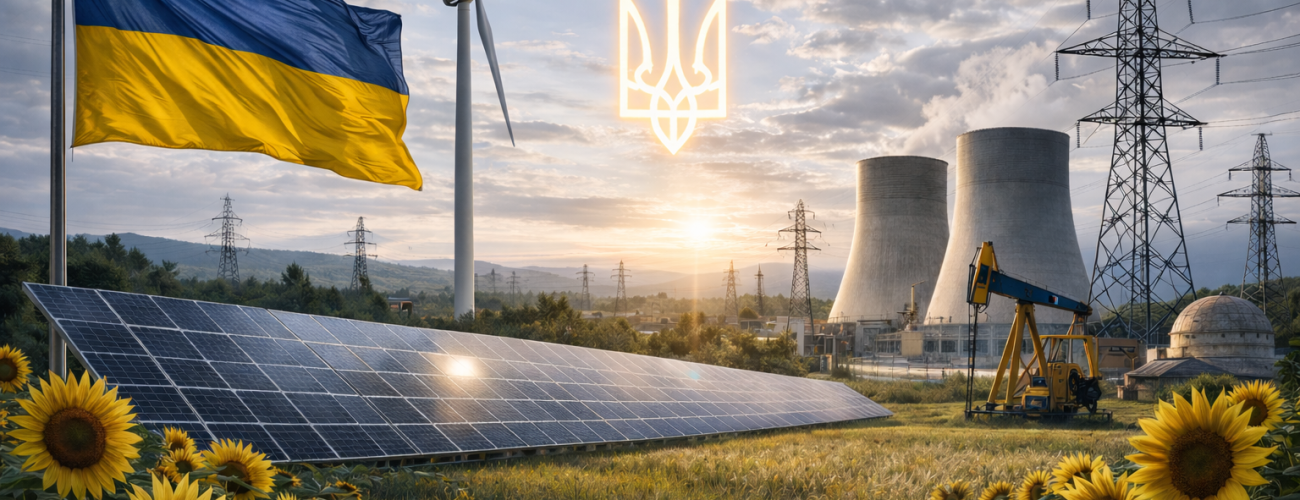
Ukrainian renewable energy associations have appealed to the country’s leadership with a proposal to establish the position of First Deputy Minister of Energy responsible for renewable energy and distributed generation. The initiative aims to create a clear center for coordinating reforms, accelerate the implementation of European legislation, and ensure the full integration of green generation into Ukraine’s energy market.
The Industry’s Call for Systemic Governance
The Ukrainian Wind Energy Association, the European-Ukrainian Energy Agency, and the Ukrainian Solar Energy Association have jointly addressed the President, the Prime Minister, and the Ministry of Energy with a proposal to introduce a dedicated First Deputy Minister role focused on the development of renewable energy sources and distributed generation.
According to the industry community, the renewable energy sector today requires not only strategic vision, but also continuous institutional coordination — from regulatory changes to the practical integration of new technologies into the energy market.
Why Now
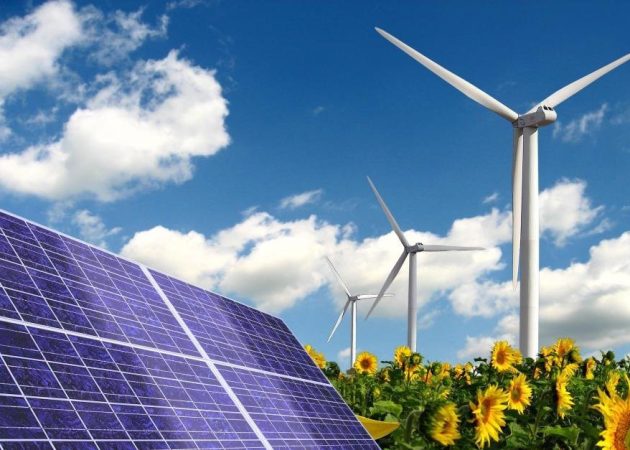
Ukraine’s energy system is undergoing a profound transformation. Alongside the restoration of damaged infrastructure, the country is moving toward a decentralized energy model in which solar power plants, wind farms, small-scale cogeneration units, and energy storage systems play an increasingly important role.
Distributed generation proved its effectiveness during crisis periods: local energy sources enhance the resilience of power supply and reduce dependence on large centralized facilities. At the same time, the rapid expansion of these solutions requires clear rules, effective market mechanisms, and alignment with European approaches.
The European Integration Dimension
The implementation of EU energy legislation, fulfillment of climate commitments, and integration of Ukraine’s energy market with Europe are among the country’s key priorities for the coming years. All of these objectives are directly linked to the development of renewable energy, flexible capacities, and energy storage systems.
Establishing a dedicated deputy minister focused on these areas would make it possible to:
-
ensure continuity of renewable energy reforms;
-
accelerate harmonization of legislation with EU standards;
-
send clear and credible signals to investors;
-
align state policy with the real needs of the market.
Investment and Reconstruction
Ukraine’s post-war energy recovery is increasingly associated with green reconstruction. International financial institutions and donors have already declared their readiness to support renewable and decentralized generation projects. However, large-scale capital inflows require a clear, predictable, and consistent state policy.
A dedicated center of responsibility within the Ministry of Energy could serve as an institutional backbone for long-term renewable energy development programs, the launch of new market mechanisms, and the support of innovative technologies.
The Voice of the Market
Industry associations emphasize that the initiative is not a personnel proposal, but rather a systemic step to strengthen the state’s governance capacity in managing the energy transition.
“Renewable energy and distributed generation are no longer niche segments. They are becoming the foundation of Ukraine’s future energy system. The state must reflect this reality at the institutional level,” market representatives note.
What Comes Next
The decision on creating the new position is currently under review by the country’s leadership. At the same time, the very emergence of this initiative demonstrates the maturity of the sector and its readiness to participate in shaping strategic energy policy.
For Ukraine — a country simultaneously rebuilding, modernizing, and integrating into the European energy space — a clearly defined center of responsibility for renewable energy development could become a crucial governance step with long-term benefits for energy security and economic growth.