
 Instagram
  Facebook
  TikTok
 €2 Billion for Energy: How the EBRD Program Works — and Who Can Actually Access the Funding
Ukraine is gradually moving from restoring its power system to rebuilding it into something more decentralized, resilient, and green. One of the key instruments driving this transformation is the Energy Security Support Facility (ESSF)launched by the European Bank for Reconstruction and Development.
With a total volume of up to €2 billion, this is more than financing — it is effectively a new model for accessing energy investment for businesses, communities, and even households.
Why the Program Was Created
Following large-scale attacks on the power system, Ukraine lost more than 9 GW of generating capacity.
In response, international partners shifted their approach: instead of focusing only on restoring large power plants, the emphasis moved toward small-scale, distributed energy solutions.
That is the foundation of ESSF:
- less dependence on large centralized assets
- more local generation
- faster recovery after attacks
According to the EBRD, the program is designed to strengthen resilience against both wartime risks and climate challenges.
How ESSF Works
ESSF is not a traditional grant fund. It operates as a blended financing model.
1. Loans Through Banks
Funding is provided indirectly through Ukrainian partner banks, including:
- PrivatBank
- Oschadbank
- Ukrgasbank
- Raiffeisen Bank Ukraine
The EBRD partially shares lending risks with the banks, making it possible to:
- reduce interest rates
- expand access to credit
- support borrowers who might not otherwise qualify
2. Grants (Partial Investment Reimbursement)
Borrowers may qualify for 10–30% investment reimbursement after project implementation.
These grants are funded by:
- the European Union
- EBRD funds
- partner countries such as France and Norway
3. Free Technical Assistance
Participants can receive:
- advisory support
- project preparation assistance
- implementation guidance
This is especially important for small businesses and homeowner associations.
What the Program Finances
The program covers several priority areas:
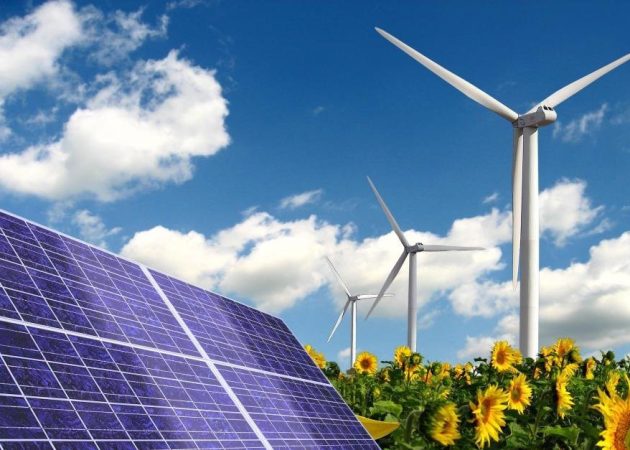
Renewable Energy
- solar power systems
- wind installations
- biogas
- small hydropower
Distributed Generation
- small power plants, including gas-fired solutions
- behind-the-meter generation for businesses
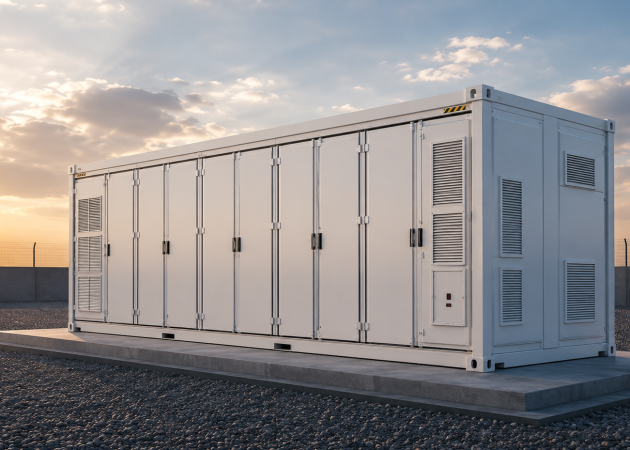
Energy Storage
- battery systems
- residential storage solutions
Energy Efficiency
- building insulation
- heat pumps
- equipment modernization
All of these investments are designed to reduce dependence on the centralized grid.
Who Can Access the Funding
The program is intentionally broad. Eligible participants include:
- SMEs (small and medium-sized enterprises)
- homeowner associations and housing cooperatives
- private households
- communities and municipalities
- even state-owned companies
This is one of the few financing mechanisms where households are also direct beneficiaries.
Why It Matters for the Economy
ESSF is part of a broader recovery strategy.
Since 2022, the EBRD has invested more than €9 billion in Ukraine, including over €3.3 billion in energy.
The program is integrated into broader European support initiatives for business recovery and green transformation.
In practice, this is not simply aid — it is the creation of a new energy market.
What It Means in Practice
ESSF changes the rules:
- businesses can become more energy independent
- households can reduce energy costs
- communities can build their own generation capacity
Most importantly, it is scalable. Through partner banks, the program can support thousands of projects across the country.
Conclusion
ESSF is more than a financing program — it represents a shift toward a new energy model for Ukraine:
- decentralized
- resilient to attacks
- integrated with Europe
While accessing funding still requires project preparation and coordination with banks, it is one of the most accessible tools available today for those looking to invest in energy right now.