
 Instagram
  Facebook
  TikTok
 Artificial Intelligence Needs Power: Why the Future of AI Depends on Solar and Wind

The rapid rise of artificial intelligence is transforming more than just technology — it is fundamentally reshaping the global energy market. According to S&P Global, AI is becoming one of the largest drivers of electricity demand, making renewable energy — particularly solar and wind — critical to the future.
Modern data centers powering AI consume enormous amounts of energy — and demand is growing rapidly.
- Electricity consumption by major tech companies (Google, Microsoft, Meta) increased from 33.7 GW to 80.8 GW in just four years.
- Four giants — Amazon, Google, Meta, and Microsoft — have already contracted approximately 135 GW of clean energy globally.
This leads to one clear conclusion: AI doesn’t just require energy — it requires a massive and rapidly growing supply of it.
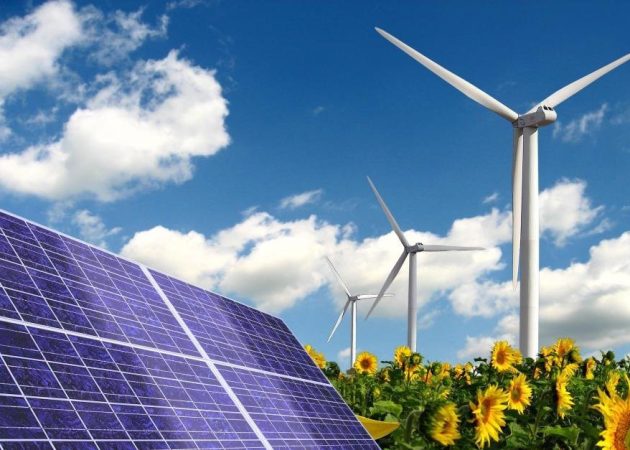
Why Solar and Wind?
At first glance, the shift toward renewables may seem driven by environmental concerns. In reality, the reasons are far more pragmatic:
Energy Independence
Owning solar and wind assets allows companies to reduce — or even eliminate — reliance on volatile fossil fuel markets.
Price Stability
Renewables help avoid sharp fluctuations in fuel prices, especially during geopolitical crises.
Speed of Deployment
Solar and wind projects can be deployed significantly faster than nuclear or gas power plants — a critical factor for the fast-moving AI industry.
The Challenge: Intermittency
Solar and wind are not constant. The sun doesn’t shine at night, and the wind doesn’t always blow — creating a major challenge for data centers that require 24/7 uninterrupted power.
As a result, Big Tech is simultaneously:
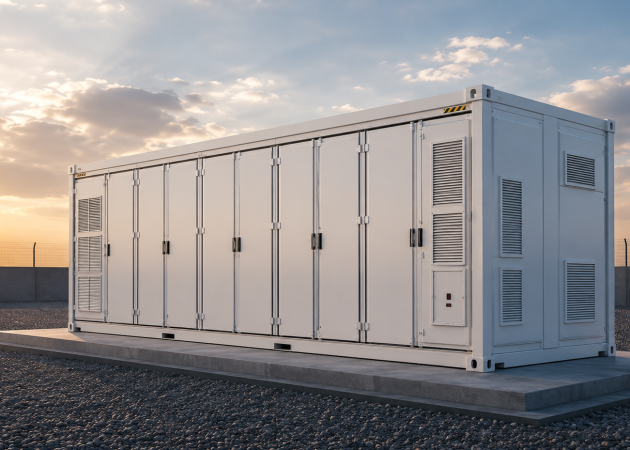
- investing heavily in battery storage (BESS),
- returning to gas-fired generation,
- exploring nuclear energy solutions.
For example, orders for gas turbines increased by 165% in 2025, signaling that the industry is actively balancing clean energy with reliability.
Nuclear Energy: The Next Frontier?
While solar and wind dominate, interest in nuclear power is growing rapidly:
- Big Tech has already signed agreements for approximately 17 GW of nuclear capacity
- emerging technologies such as small modular reactors (SMRs) and even fusion energy are being explored
However, the main limitation is time — new nuclear plants may take 10+ years to become operational.
Geopolitics Meets AI Energy Demand
Energy is no longer just an economic issue — it is a matter of security.
- Natural gas depends on supply chains and geopolitical risks
- Uranium for nuclear power is largely imported (over 90% in the U.S.)
- Solar panels and battery supply chains are heavily dependent on China
This is why companies are increasingly pursuing local generation — a new model of energy autonomy.
Can AI and Sustainability Coexist?
According to S&P Global, the answer is yes — but it is complicated.
On one hand:
- 67% of data center energy already comes from renewable sources
On the other:
- emissions are rising due to the AI boom
- achieving net-zero targets is becoming more difficult
Conclusion: The Energy Race Has Begun
AI is launching a new global competition — not just for technology, but for electricity.
Key trends:
- solar and wind remain the foundation
- nuclear energy is gaining momentum
- fossil fuels are returning as a “backup plan”
- energy autonomy is becoming a strategic priority
The bottom line:
The future of AI will be determined not only by algorithms — but by who can secure reliable, scalable energy.