
 Instagram
  Facebook
  TikTok
 1 GW of New Renewable Energy Capacity: Ukraine Launches a New Phase of Renewable Energy Support
Ukraine is taking another major step in its energy transition. The Cabinet of Ministers has updated the rules governing renewable energy auctions and announced one of the country’s largest renewable energy support programs in recent years—up to 1 GW of new renewable capacity to be supported in 2026.
This is more than a policy update. It sends a strong signal to the energy sector, investors, international partners, and businesses that, despite the ongoing war, Ukraine remains committed to building a more decentralized, resilient, and low-carbon energy system.
Which Technologies Will Receive Support?
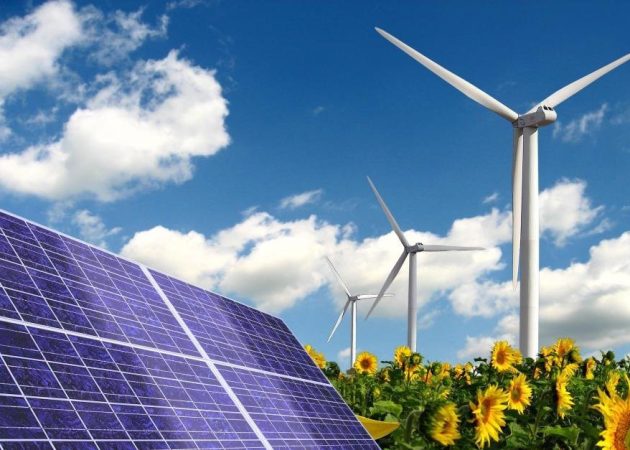
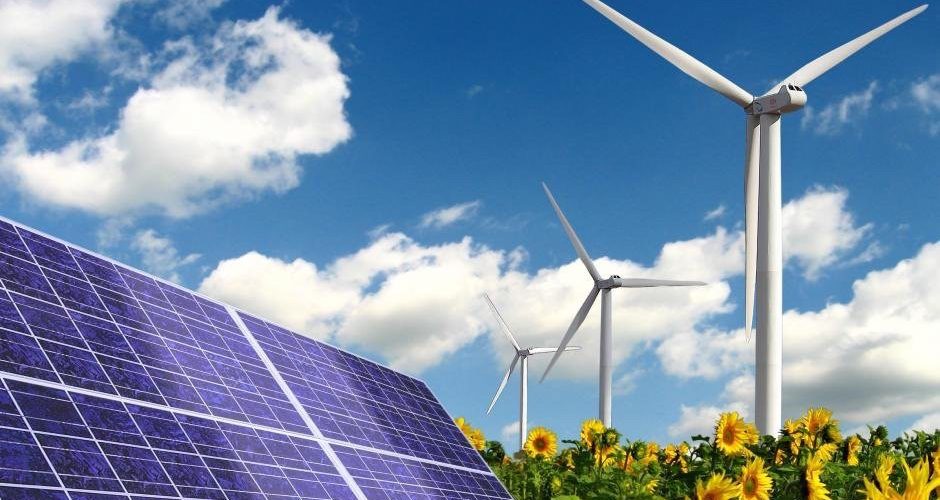
Wind energy will receive the largest allocation in 2026, with 700 MW of auction capacity. This reflects Ukraine’s significant wind energy potential, particularly in the southern regions and along the Black Sea coast.
An additional 150 MW has been allocated to biogas, biomass, and small hydropower projects. These technologies are especially important for agricultural regions, where organic waste can be converted into electricity and heat.
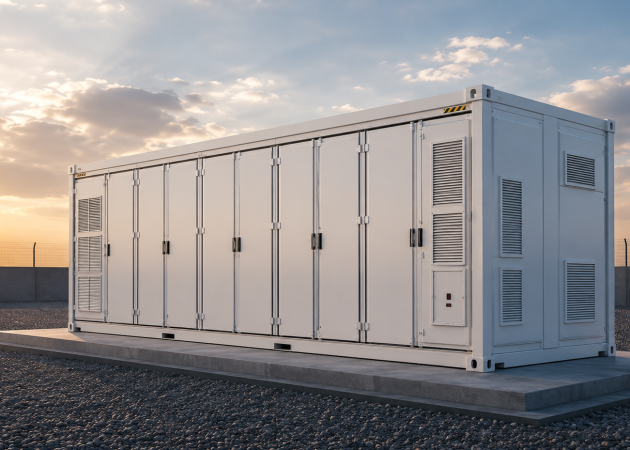
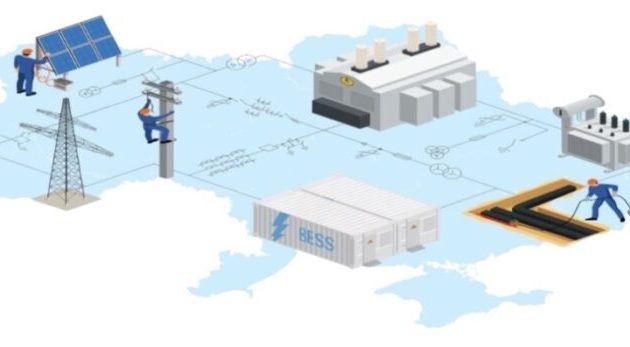
Solar power will receive a separate 50 MW allocation. However, one of the most significant developments is the introduction of an additional 100 MW reserved specifically for solar power plants paired with battery energy storage systems (BESS).
For the first time, the government is clearly prioritizing not only renewable generation but also generation combined with energy storage—an essential component of a modern power system with an increasing share of variable renewable energy.
How Will the Support Mechanism Work?
The new framework will operate through a market premium mechanism.
Under this model, renewable energy producers will sell electricity directly into the wholesale electricity market, while the government will compensate the difference between the market price and the successful bid price established through competitive auctions.
This represents a significant shift from Ukraine’s former feed-in tariff system, which was often criticized for placing a heavy financial burden on the electricity market.
The new model aligns much more closely with European practices and offers several important advantages:
- encourages competition among projects,
- enables the government to better control support volumes,
- creates a more predictable investment environment,
- reduces risks for the power system.
In essence, Ukraine is transitioning toward a more mature renewable energy market driven by competition, efficiency, and market-based incentives.
Why Does This Matter Now?
The updated auction framework is about far more than renewable energy.
It is fundamentally about Ukraine’s energy security.
Following extensive attacks on energy infrastructure, the country urgently needs new distributed generation assets. Large centralized power plants remain vulnerable, while renewable energy projects can be deployed more quickly and strengthen local energy resilience.
The dedicated support for projects paired with battery storage also highlights an important shift in strategy: the future of energy is no longer defined solely by electricity generation, but also by the ability to store energy and manage grid flexibility.
A Strong Signal for Investors
Equally important is the government’s approval of indicative support quotas for the period 2027–2030.
For investors, long-term policy visibility is one of the most important factors influencing investment decisions.
By providing a multi-year roadmap, the government is signaling its commitment to creating a stable, long-term framework for renewable energy development.
This is particularly significant for international financial institutions and investment funds that continue to monitor opportunities in Ukraine’s energy sector.
When Will the Auctions Take Place?
The renewable energy auctions are expected to take place between September and October 2026.
Although the full text of the government resolution has not yet been officially published, one conclusion is already clear: Ukraine is entering a new phase of renewable energy development—one driven by competition, energy storage, and closer integration with the European energy market.
If these plans are successfully implemented, the next few years could mark a turning point for Ukraine’s renewable energy sector and its broader energy transformation.