
 Instagram
  Facebook
  TikTok
 Solar Power Outpaces Wind: How Ukraine’s Renewable Energy Landscape Is Changing
Despite the full-scale war, ongoing attacks on energy infrastructure, and challenging investment conditions, Ukraine’s renewable energy sector continues to develop.
New data from the Ministry of Energy shows that the country is not only restoring lost generation capacity but also gradually transforming its energy mix. Ukraine is focusing on decentralizing its power system, expanding distributed generation, scaling renewable energy sources, and adopting advanced balancing technologies.
Against this backdrop, solar power has already significantly outpaced wind energy in terms of total installed capacity. At the same time, the combination of solar and wind generation with energy storage systems could become the foundation of a new Ukrainian energy market model.
Ukraine’s Solar Generation Capacity Has Exceeded 7 GW
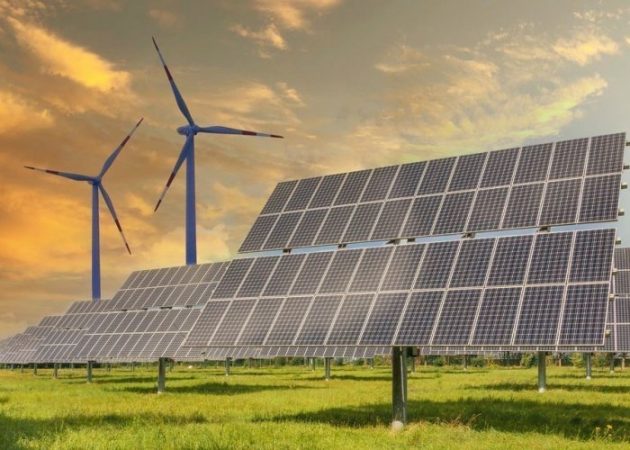
According to the Ministry of Energy, the total installed capacity of solar power plants in Ukraine currently stands at 7.3 GW.
Of this total:
- 5.4 GW is attributable to commercial electricity producers;
- 2.25 GW belongs to active consumers that have installed their own solar power plants and operate within distributed generation models.
These figures highlight one of the most important trends of recent years: solar energy is gradually moving beyond the domain of large-scale investors.
An increasing number of stakeholders are investing in their own generation capacity, including:
- Industrial enterprises;
- Commercial companies;
- Local communities;
- Private households;
- Active consumers and energy cooperatives.
Investments in on-site solar power plants allow businesses and households to strengthen their energy independence, reduce reliance on the centralized grid, and partially mitigate the impact of emergency power outages.
Where Ukraine’s Largest Solar Capacities Are Located
The largest volumes of installed solar generation capacity are currently concentrated in the following regions:
- Dnipropetrovsk Oblast — 947 MW;
- Mykolaiv Oblast — 782 MW;
- Odesa Oblast — 515 MW.
The regional distribution of solar power plants reflects both the natural potential of individual regions and the investment activity that has developed in Ukraine’s renewable energy sector over previous years.
Ukraine’s Wind Energy Sector Is Returning to Active Growth
Developments in the wind energy sector are equally significant.
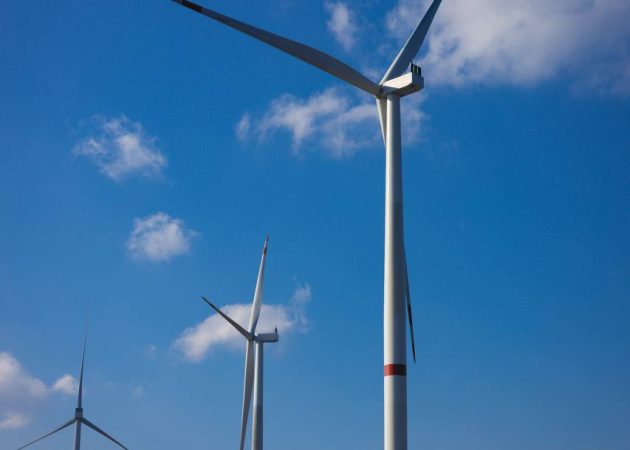
During the first half of 2026 alone, Ukraine commissioned 414.8 MW of new wind power capacity, equivalent to 70 new wind turbines.
As a result, the country’s total installed wind power capacity reached 1.115 GW.
More than one-third of Ukraine’s current wind generation capacity was commissioned during the recent period. This indicates a gradual recovery in investment activity in the wind energy sector, despite the conditions created by the full-scale war.
The main centers of wind energy development remain:
- Mykolaiv Oblast — more than 400 MW;
- Odesa Oblast — more than 200 MW.
Further growth in the sector will depend on access to the power grid, the development of transmission infrastructure, predictable energy market regulations, investment support mechanisms, and the deployment of energy storage systems.
Why Installed Capacity Is Not the Only Measure of Progress
An increase in installed capacity does not automatically translate into a proportional increase in actual electricity generation.
Solar and wind power plants are weather-dependent. Therefore, as their share of the energy mix grows, so does the need for flexible generation capacity, system balancing, and advanced energy resource management.
This is why Ukraine is simultaneously accelerating the development of energy storage systems, or BESS (Battery Energy Storage Systems).
According to the Ministry of Energy, the combined capacity of energy storage systems in Ukraine increased more than 300-fold over the past year and has already exceeded 600 MW.
BESS can store surplus electricity generated by solar power plants during daylight hours and release it back into the grid during periods of peak evening demand.
In addition, energy storage systems can:
- Help balance electricity generation and consumption;
- Respond rapidly to changes in demand;
- Support frequency and voltage stability;
- Improve overall grid reliability;
- Facilitate the integration of new renewable energy projects into the power system.
The combination of power generation, energy storage, digital management, and the aggregation of distributed energy resources is now considered one of the key directions in the development of modern power systems.
Ukraine Is Following the Global Renewable Energy Trend
The global energy sector is undergoing a major transformation. According to the International Energy Agency (IEA), solar power remains one of the most economically competitive sources of new electricity generation in many regions around the world.
Solar and wind power account for a significant share of new generation capacity being commissioned globally each year.
At the same time, as the share of renewable energy sources (RES) increases, so does the importance of technologies that enable their effective integration into the power system.
These include:
- Energy storage systems;
- Digital demand-side management;
- Automated system balancing;
- Aggregation of distributed energy resources;
- Generation and consumption forecasting systems.
These tools make it possible to integrate growing volumes of variable renewable generation while maintaining the reliability, controllability, and resilience of the power system.
A New Architecture for Ukraine’s Energy Market
Ukraine’s energy market is gradually moving away from a traditional model based primarily on large, centralized power plants toward a more decentralized, flexible, and technology-driven energy architecture.
In this new model, the following elements will play an increasingly important role:
- Distributed generation;
- Active consumers;
- Solar and wind power plants;
- Energy storage systems;
- Gas-fired and other flexible generation technologies;
- Energy resource aggregators;
- Digital management and balancing platforms;
- Local energy solutions for businesses and households.
As a result, balancing, dispatching, and energy resource aggregation services are gradually moving beyond the category of optional solutions. They are becoming essential components of efficient operations for electricity producers and other energy market participants.
As the share of solar and wind generation increases, the importance of these services will only continue to grow.
From Electricity Generation to Energy Resource Management
For companies operating in the renewable energy sector, these market changes represent a shift from simply generating electricity toward comprehensive energy resource management.
The competitiveness of energy projects will increasingly depend not only on their installed capacity but also on their ability to:
- Forecast generation and consumption;
- Manage generation assets efficiently;
- Use energy storage systems effectively;
- Participate in the balancing market;
- Work with aggregators and digital platforms;
- Ensure predictable and reliable electricity supply.
Solar power has already outpaced wind energy in terms of installed capacity. However, the future of Ukraine’s energy sector will be shaped not by competition between individual technologies, but by how effectively they work together.
The integration of renewable generation, BESS, flexible generation capacity, digital management, and advanced balancing services could become the foundation of a more resilient, decentralized, and competitive Ukrainian power system.