
 Instagram
  Facebook
  TikTok
 EBRD Prepares 1 GW of Green Energy Projects: What’s Behind the New Investment Wave
The European Bank for Reconstruction and Development (EBRD) is preparing a portfolio of renewable energy projects in Ukraine totaling over 1 GW as early as 2026. This is not just about adding new capacity — it signals the gradual return of large-scale private capital to Ukraine’s energy sector.
Structure of Future Investments
The portfolio is focused on three key areas:
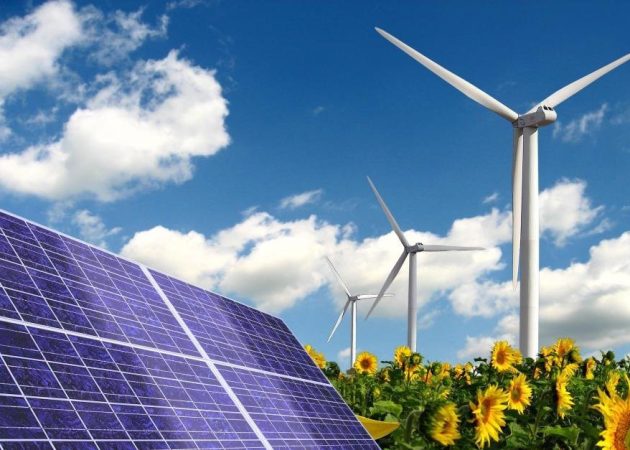
- approximately 570 MW of wind power
- around 240 MW of solar energy
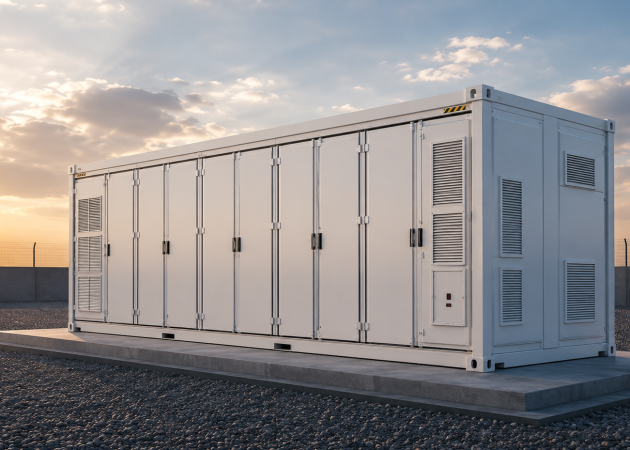
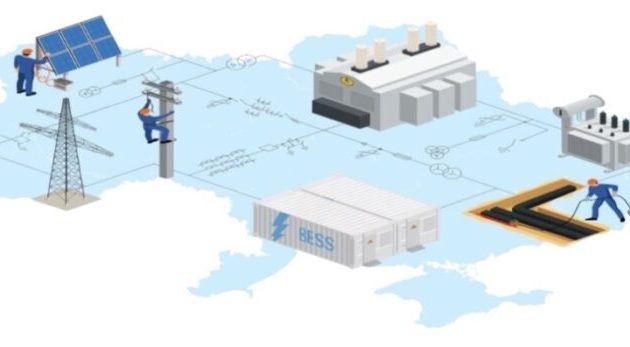
- about 230 MW of energy storage systems
This balanced approach reflects a shift in strategy: alongside generation, energy storage is gaining importance as a critical component for system stability and security.
Focus on the Private Sector
All projects within the EBRD portfolio are based on private investment — a fundamentally important shift. According to the bank’s regional leadership, private capital participation is essential for scaling renewable energy development in Ukraine.
This marks a departure from the market’s historical reliance on state-driven projects, signaling a transition toward market-based mechanisms and increased competition.
RAMP UP: Unlocking the Market
To facilitate investment, the EBRD, in partnership with the World Bank, has launched the RAMP UP initiative. Its key objectives include:
- stabilizing revenues from renewable generation,
- reducing investor risks,
- preparing the market for large-scale auctions.
In effect, the initiative is designed to build a “bridge of trust” between investors and the Ukrainian market. The first auctions under this framework are expected as early as 2026.
Context: Energy as a Top Priority
The EBRD’s strong focus on the energy sector is no coincidence. In 2025, the bank provided Ukraine with a record €2.9 billion in financing, a significant portion of which was directed toward energy and energy security.
Following extensive attacks on the energy system, Ukraine urgently requires:
- rapid infrastructure recovery,
- flexible generation capacity,
- decentralized energy solutions.
This is why combined renewable energy + BESS projects are viewed not only as part of the green transition, but as a core element of national resilience.
Market Implications
A 1 GW portfolio represents more than just capacity — it is:
- a test of investor confidence in Ukraine during wartime,
- preparation for a post-war energy boom,
- a signal for private businesses to enter the sector now.
According to the EBRD, the goal is to rapidly scale the industry as soon as conditions improve, ensuring that Ukraine does not lose its growth potential.
Conclusion
The EBRD is effectively laying the foundation for a new energy market model in Ukraine — driven by private investment, flexible technologies, and market-based mechanisms.
If these plans materialize, 2026 could become a turning point for the relaunch of Ukraine’s renewable energy sector.