
 Instagram
  Facebook
  TikTok
 Energy Resilience as a Priority: What the National Security and Defense Council Decision Means for Ukraine’s Power System

Ukraine is taking another step toward strengthening its energy security. During a meeting of the National Security and Defense Council of Ukraine (NSDC), comprehensive plans and measures aimed at increasing the energy resilience of the country’s regions were reviewed. According to preliminary estimates, the total cost of these programs may exceed UAH 215 billion.
The initiative goes beyond restoring damaged infrastructure. It is about building a new model of the energy system — more decentralized, flexible, and resistant to attacks.
“Our task is to make the energy system as protected and resilient as possible against any challenges. To achieve this, we must develop distributed generation and create reserve capacity,”
President of Ukraine Volodymyr Zelenskyy stated following the meeting.
Transition to Distributed Generation
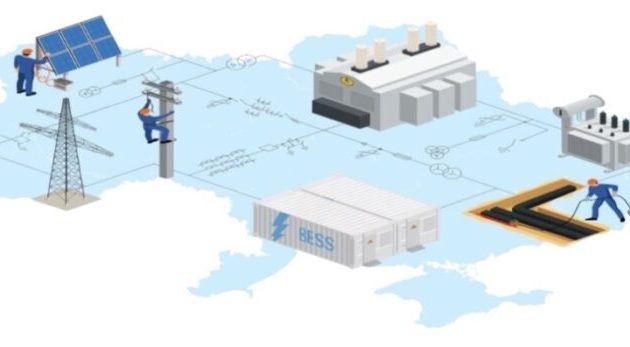
One of the key priorities supported by the NSDC is the development of distributed generation — a system in which electricity is produced at many smaller facilities located across different regions of the country.
Such facilities may include:
-
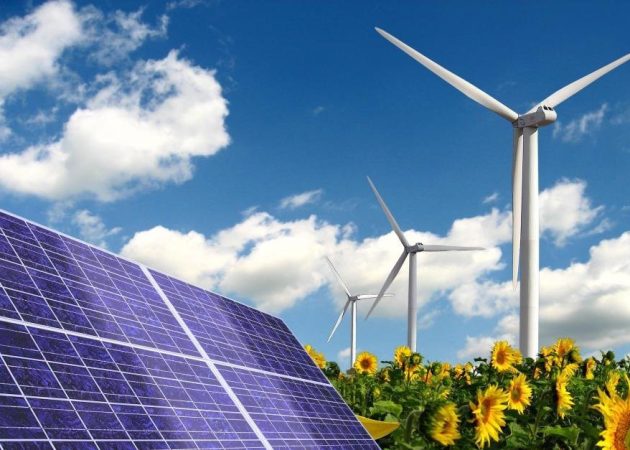
solar and wind power plants,
-
cogeneration units,
-
small thermal power plants,
-
gas engine and gas turbine installations.
This approach significantly increases system resilience: if one facility is damaged, others can continue supplying electricity to the region.
“Distributed generation is one of the key elements of energy security. It allows faster restoration of power supply and reduces risks for the entire system,”
explained Minister of Energy German Galushchenko.
Hundreds of Megawatts of New Capacity
The rapid expansion of distributed generation is already underway. According to energy sector data, more than 700 MW of new local generation capacity has been commissioned in Ukraine over the past year.
In total, the combined capacity of such facilities has already reached approximately 1.4 GW.
The government plans to continue accelerating this pace. Forecasts indicate that up to 900 MW of new capacity per yearcould be added, making distributed generation one of the key components of the country’s energy modernization.
Regional Energy Resilience Programs
A separate focus of the NSDC decision is the development of regional energy resilience programs. Regional and municipal administrations are expected to prepare their own plans for strengthening local energy infrastructure.
These plans include creating backup power sources for critical infrastructure such as:
-
hospitals,
-
water supply systems,
-
district heating utilities,
-
transport infrastructure.
“Communities must be able to maintain the operation of key facilities even if major energy hubs are damaged,”
Prime Minister Denys Shmyhal said.
Energy as a Component of National Security
Massive attacks on energy infrastructure in recent years have forced Ukraine to rethink the development of its power sector.
While the system was previously built around large centralized power plants, the focus is now shifting toward a more flexible and decentralized model.
“Energy security today is an integral part of national security. We must build a system that remains stable even under the most difficult conditions,”
President Zelenskyy emphasized.
In the long term, the development of distributed generation will not only increase the reliability of the energy system but also create new opportunities for investment and modernization of Ukraine’s energy sector.