
 Instagram
  Facebook
  TikTok
 Betting on Wind: How Ukraine Is Shifting the Course of Its Green Energy Strategy
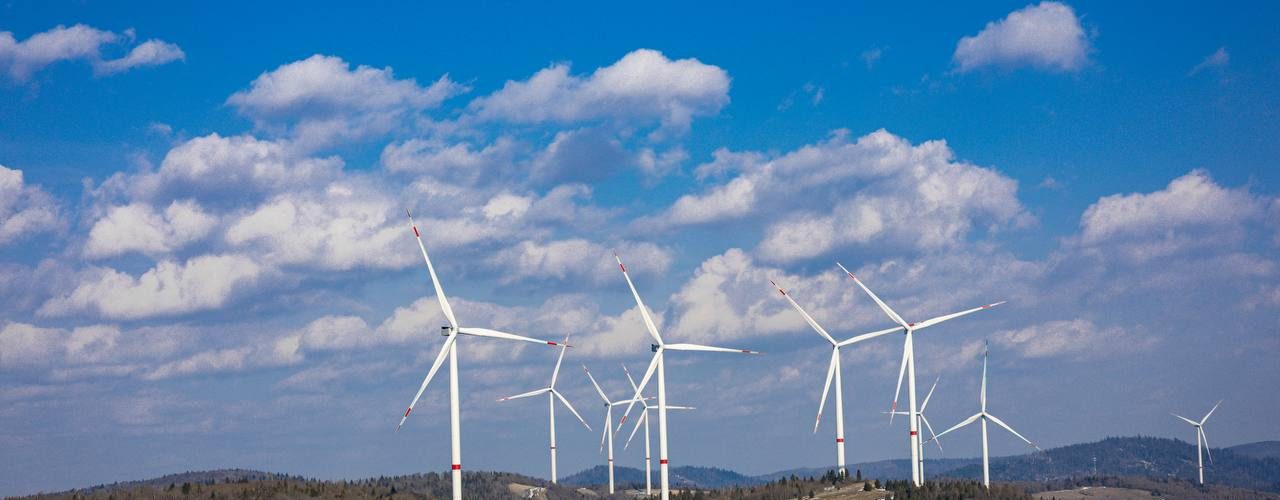
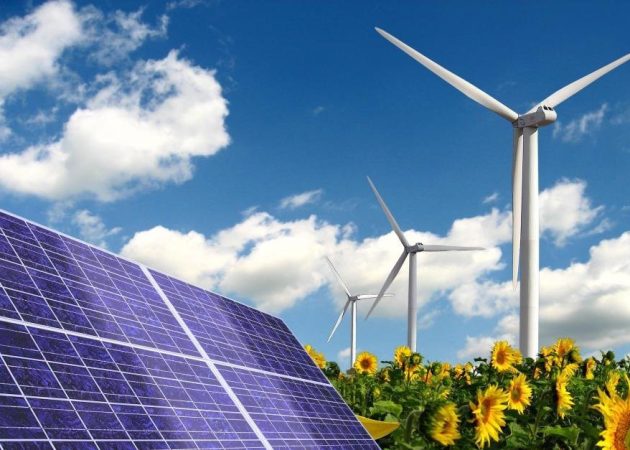
Ukraine is gradually changing its priorities in the development of renewable energy. While solar power dominated the market in previous years, the government is now focusing on wind generation and energy storage systems.
The updated energy strategy was presented by the Ministry of Energy of Ukraine during international energy discussions.
According to Deputy Minister of Energy Valentyna Moskalenko, wind power and energy storage will become the main areas of growth for the renewable sector.
“If we talk about wind and batteries, these are the key priorities for renewable generation,” she stated.
The government estimates that the development of these technologies could attract significant investment.
“We plan to attract up to USD 20 billion in investments by 2030, while the current required volume is estimated at around USD 12 billion,” Moskalenko said.
From Solar Boom to a More Balanced System
Before the full-scale war, Ukraine experienced a major solar boom.
By 2021, the installed capacity of renewable energy exceeded 9.5 GW, with solar power plants accounting for the largest share.
The shift in priorities is driven not only by economics, but also by security considerations.
Russian attacks on Ukraine’s energy infrastructure forced the government to accelerate the development of decentralized generation, which is more resilient to strikes.
The Ministry of Energy notes that combining different sources of generation will make the system more stable.
“We can say with certainty that there will be more distributed generation,” Moskalenko emphasized.
Wind power also has technological advantages.
Wind turbines typically produce more electricity during the colder months, when demand is highest, while solar generation declines significantly during the same period.
New Energy Projects Despite the War
Despite the challenging security situation, new renewable energy projects continue to move forward in Ukraine.
In particular, DTEK is implementing the large-scale Tyligulska Wind Power Plant project in the south of the country.
The first phase of the project, with a capacity of 114 MW, was commissioned during the war and became one of the largest energy projects completed in this period.
In the future, the wind farm may expand to 500 MW, with total investment estimated at more than EUR 650 million.
Most experts believe that the development of renewable energy will become one of the key drivers of Ukraine’s economic recovery after the war.
Current State of Ukraine’s Energy System
During the autumn and winter, Russia carried out a series of massive attacks on Ukraine’s energy infrastructure, using dozens of missiles and drones, causing significant damage to key facilities.
According to industry estimates, the latest attacks disabled up to 10 GW of generating capacity in Ukraine’s power system.
Some damaged facilities will not be fully restored before the next heating season.
President Volodymyr Zelenskyy stated that Russian strikes affected almost all of the country’s thermal and hydro generation.
“Russia has damaged all of our power plants. But Ukraine’s energy system continues to operate — thanks to the efforts of energy workers who repair equipment every day, thanks to the physical protection of facilities, and thanks to the support of our partners, including air defense systems,” the President said.
Despite heavy losses, the system remains stable. Experts expect the situation to improve in spring, when the heating season ends and warmer temperatures reduce the load on the grid.
At the same time, the government is working to strengthen generation capacity ahead of the next winter.
The Ministry of Energy reports that at least 1.5 GW of additional capacity is planned to be added before the next heating season.